
Bathrooms & showers
Non-slip floor treatments for Perth homes
Unfortunately, many older Australians are just one slip away from a serious injury. And few older Australians have floors that these days would be considered safe, especially in bathrooms and other wet areas.
It wasn't that long ago that it was common practice to lay glossy tiles on the floor that would now only be allowed as wall tiles. Nobody should be walking on them, particularly when they're wet, but if you have any sort of mobility issue, I'd recommend rectifying them ASAP. Either get them treated or replaced before it's too late.
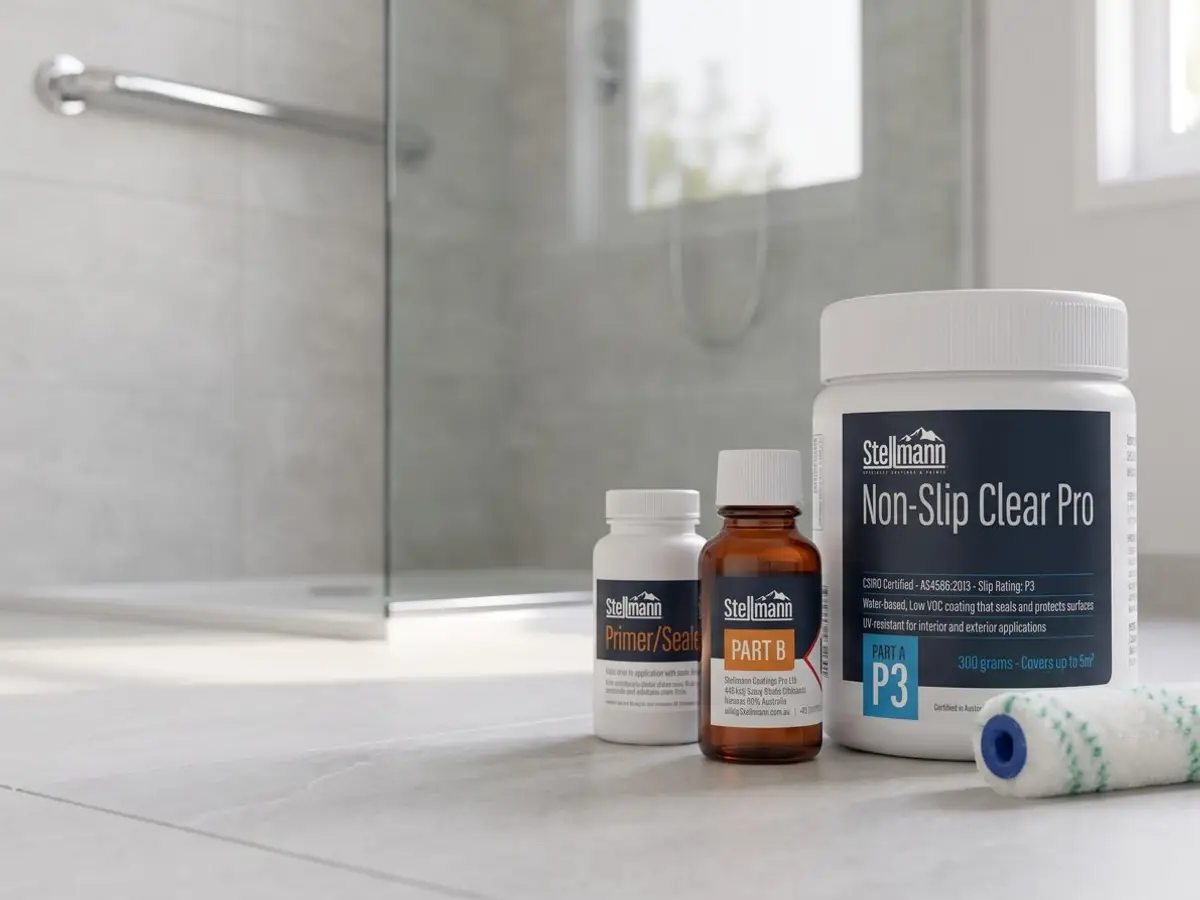
At AccessAble Homes we have a clear coating system that is virtually invisible on most tiles, and provides a grippy surface that has to be felt to be believed. It is a fantastic product and it is saving many people from accidents in their homes.
Who this helps most
- Older Australians who are not so confident on their feet anymore.
- People coming home after surgery or a stroke, when balance is not what it was and the bathroom is the first hurdle of the day.
- Wheelchair users and people on walking frames.
- Families who want a parent's house made safer without a renovation, and would like it done in a day.
The difference
What changes in your home
These are the practical, day-to-day differences you will notice after the work is done.
- The wet floor grips
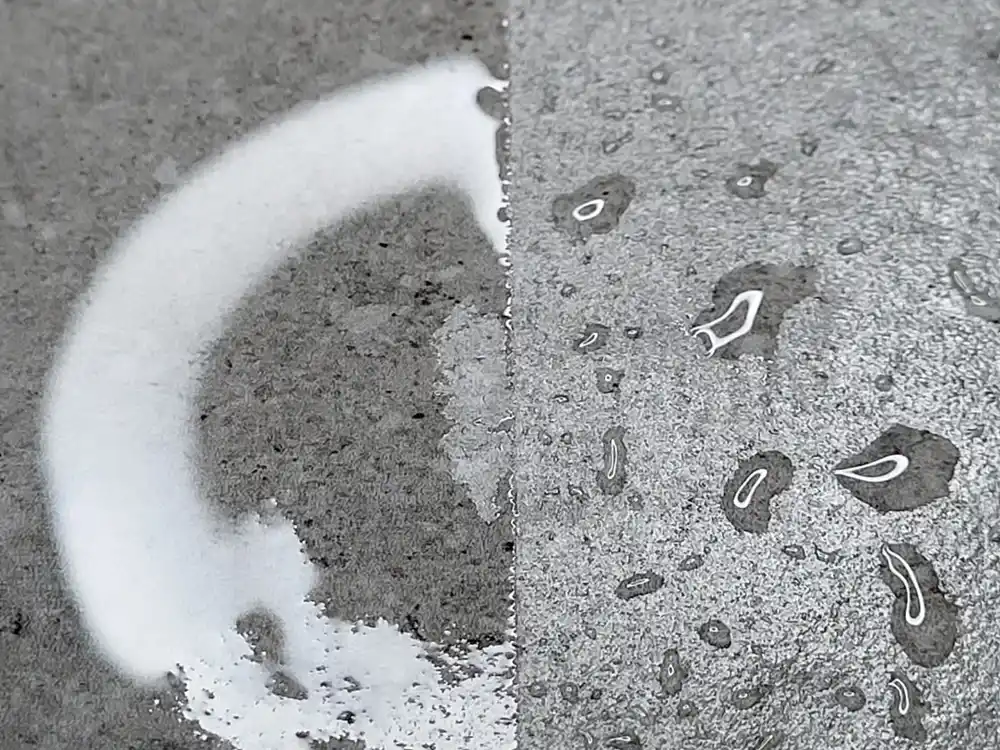
Treated tiles hold your foot when there is water on them instead of letting it slide out from under you.
- The tiles still look like your tiles
The treatment is clear, so the floor keeps its colour and pattern.
- The front steps are safe in the rain
Outside concrete and tiles can have the same treatment, so the approach to the house stops being the weak link.
Why people call us about slippery floors
The calls we get about slippery floors usually come after something has happened. Mum has moved in and nobody likes her showering alone, or dad is home from hospital after a fall.
The floor is fine when it is dry. Add water and it is a different surface: the shower floor after a wash, the laundry after the machine drains, the balcony after rain.
Why we coat the floor instead of using mats
Mats and adhesive strips are usually the first try. Water gets under them, the edges lift and mould grows underneath. Within a few months they are a trip hazard and a hygiene problem of their own.
What we do instead is put a clear non-slip coating over the tiles that are already down. The floor looks the same afterwards, and it grips when it is wet.
A bathroom takes about half a day, and the floor can usually be walked on after about 12 hours. We can do it in the same visit as the grab rails and the shower seat, or on its own.
Where people actually slip in a Perth home
The bathroom is the obvious one, and it carries the worst consequences. But the near-misses people describe to us are just as often somewhere else in the house.
Laundry floors get wet and nobody notices until they walk in wearing socks. Kitchens go slippery right where you stand, at the sink and in front of the fridge. Front and back steps hold water after rain, and the smooth troweled concrete common in 1970s Perth homes is one of the worst surfaces we test.
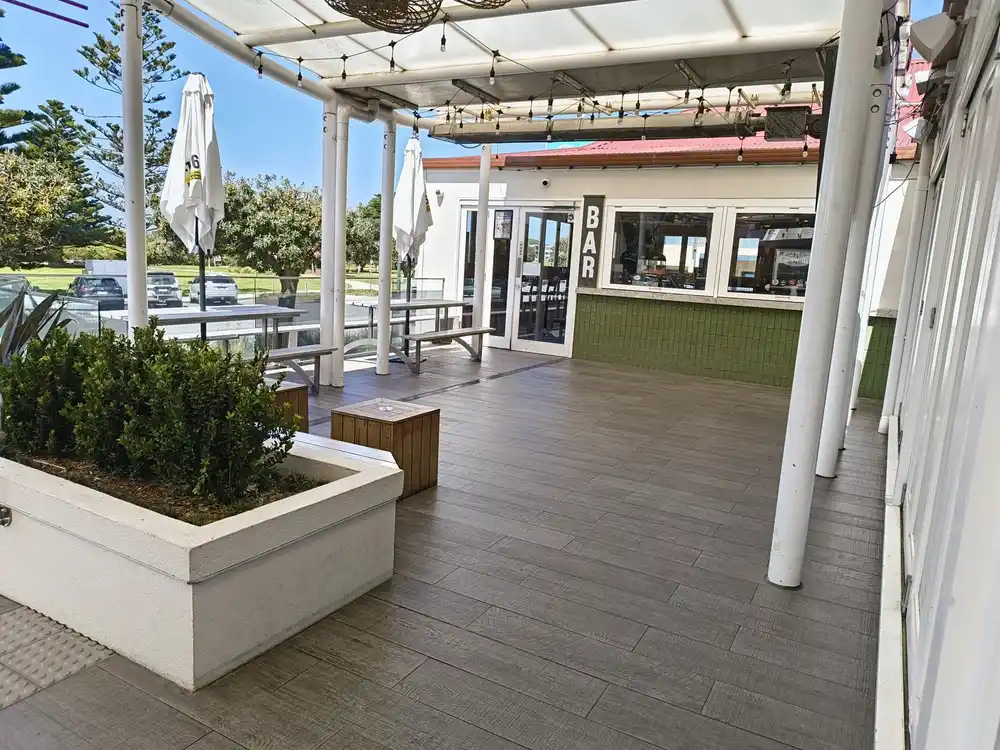
We also treat polished porcelain hallways, tiled alfresco areas that turn glassy with morning dew, and pool surrounds. All of them respond to the same process, and all of them cost a fraction of what a fall costs.
- Shower floors, wet rooms, bathrooms and laundries
- Front steps, entries and ramps
- Balconies, patios, paths and pool surrounds
- Tiles, stone, pavers and concrete, clear or coloured
What a treated floor means for the person using it
- The shower can be used alone again, without someone standing at the door.
- A walking frame or wheelchair wheels get grip on a wet floor.
- No mats to trip on, lift, clean or replace.
- The tiles you chose stay the tiles you see.
- It is done by the same team that fits the rails and the seat.
The coating we use
We apply Stellmann non-slip coatings. Stellmann is a clear, two-part safety coating made in Switzerland, and Stellmann has it tested by CSIRO to the Australian slip standard.
It goes over your existing tiles, stone or concrete. There is no tile replacement and no acid etching, and the surface looks the same once it is dry.
- Tested in P3, P4 and P5 slip ratings, matched to the floor. The P rating is how much grip a floor has when wet, and the higher the number, the more grip.
- It sits on top of the tile rather than eating into it, and it can be removed if it is ever needed.
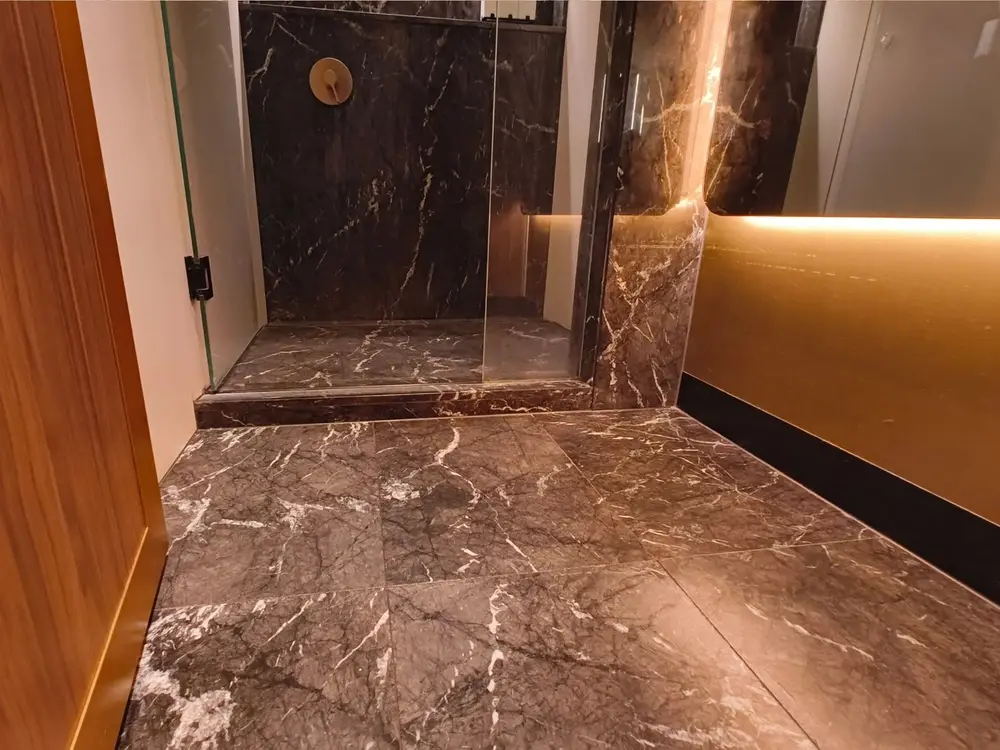
- The finish is clear, so the tile you chose stays the tile you see.
- Stellmann says over 390,000 square metres of floor has been treated with it across Australia.
- It is backed by Stellmann's 5-year product warranty. Terms and conditions apply.
Getting it booked
Tell us which floors worry you and we can provide you with a quote. A photo of the tile and a rough room size is usually enough for an easy estimate over the phone. If it's a large area or potentially difficult treatment, we may need to attend the home for a firm quote.
If you think you may need other help such as ramps and grab rails but you're not sure where to start, the $149 home safety audit walks through the whole house - bathroom, laundry, hallway, stairs, entry steps - and leaves you a written list of what to fix first and what can wait.
Our process
Four steps, and none of them is a waiting list
Initial contact
Click one of our Get a Quote buttons, call us, or email us. We will discuss the problem areas of your home and some approximate pricing to remedy them. Photos are always very handy for this, and can be texted or emailed to us.
Onsite measure up
We come to your home, discuss the problem areas further, measure up, and quote the solution that best suits your budget. It helps to have a budget in mind, so that we can tailor the solution accordingly.
Work commences
Our professional team carries out the prescribed works quickly and diligently, and your safer, more accessible home takes shape.
Work completion
Work is completed and the final inspection is carried out. Handover is done and your life returns to normal, but a much better kind of normal.
How it works
What we actually do on site
- 01
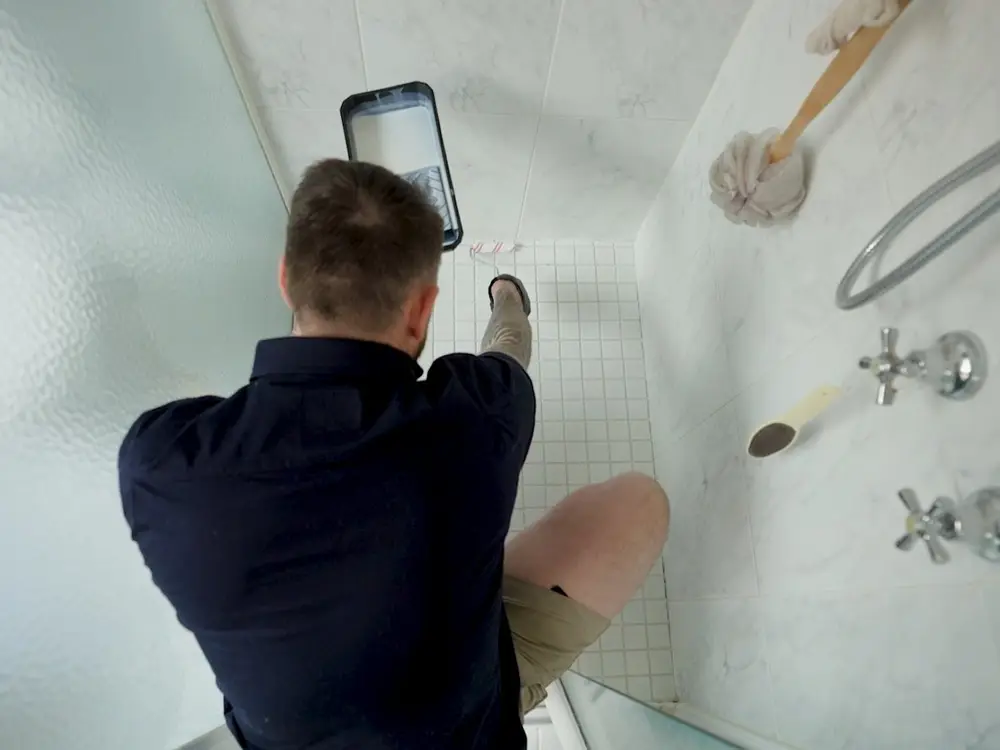
We clean the floors requiring non-slip treatment.
- 02
Dry the floor - we may use heaters or fans to speed this up.
- 03
Prime the area to be treated.
- 04
Dry the floor again.
- 05
Apply the non-slip coating.
- 06
Leave the area to cure and dry for 12 to 24 hours. Floors can usually be walked on after approximately 12 hours.
What it costs
What this work costs
These are our own figures, not an industry average.
We use a clear non-slip coating. The floor is cleaned, dried, primed, dried again, and then coated.
- Bathrooms
- Approx $1,000
- Larger floors
- Approx $50 per m²
What moves the price
- Floor area, and how many rooms we treat in one visit - a second wet area on the same trip costs far less than a return trip.
- The tile itself: dense porcelain and natural stone need a different product and can cost more.
$149 home safety audit
We walk through your home, find the trip and fall risks, and give you a written list of what to fix first. Fee refunded if you proceed.
Book a visitBefore & after
What the work looks like
The same room, photographed before we started and after we finished.
Questions
Questions about this service
Will a non-slip coating work on my floor?
Most likely, yes. It works on tiles, stone, pavers and concrete, among others. A floor that has been sealed gets checked on site first.
How does an anti slip coating work?
We clean the floor, dry it, prime the area to be treated, then dry it again before the clear coating goes on. Heaters or fans speed the drying up where a room needs it. The coating is then left to cure for 12 to 24 hours, and the floor can usually be walked on after about 12.
How long does a non slip coating for tiles last?
Most coated floors hold their grip for three to five years in a home bathroom. Wear depends on foot traffic and maintenance.
Will an anti slip tile treatment change how my floor looks?
No, in almost every case. The coating is clear and is barely noticeable on most tiles. On some glossy tiles the tile will become more dull.
How much does an anti slip treatment cost in Perth?
A bathroom is approximately $1,000. Larger floors are approximately $50 per square metre. Floor area and the tile itself are what move the number - dense porcelain and natural stone need a different product and can cost more.
Can I stay in the house while the work is done?
Yes. A wet-area treatment takes approximately half a day and can be walked on in 12 to 24 hours.
Is a non-slip treatment funded?
On an NDIS, home care package or aged care job, we quote it inside the modification. That way your occupational therapist or coordinator gets one document.
Related work
Other modifications people often combine with this
Accessible bathrooms
Full accessible bathroom design and build, in-house, by a team that has done this for over ten years across Perth.
Walk-in showers
A shower you walk straight into - no step to clear, no screen to navigate around, and a floor that drains away from you.
Ramps & level entry
Rubber, timber, aluminium and concrete ramps built to the right gradient, from a door threshold to a full exterior ramp.
Next step
Ready to talk about non-slip treatments for your home?
Ask us for a quote. Tell us about your home and what is getting difficult - we will tell you what we would change first and what it costs. Monday to Friday.
Monday to Friday, 7:00am - 5:00pm. Based in Melville, working right across Perth.